Drywall and Ceiling Repair in Irvington, Shown Step by Step
We fix holes, cracks, water-stained ceilings and damaged walls, hang new drywall and finish it smooth. Before anything gets closed up, you get photos of what was behind it. We work in homes and rentals across Irvington, Maplewood, Union and nearby towns.
Drywall Work We Do
Most calls start with drywall repair or drywall patching: a doorknob hole, a crack over a door frame, a soft spot under a window. We also do drywall hanging for new walls and rebuilt sections, and drywall finishing to get tape, mud and texture ready for paint. Ceiling repair covers sagging panels, popped seams and water stains once the leak itself has been dealt with. Surface preparation and sanding, wall repair and paint touch-ups round it out so the fixed spot blends into the wall around it.
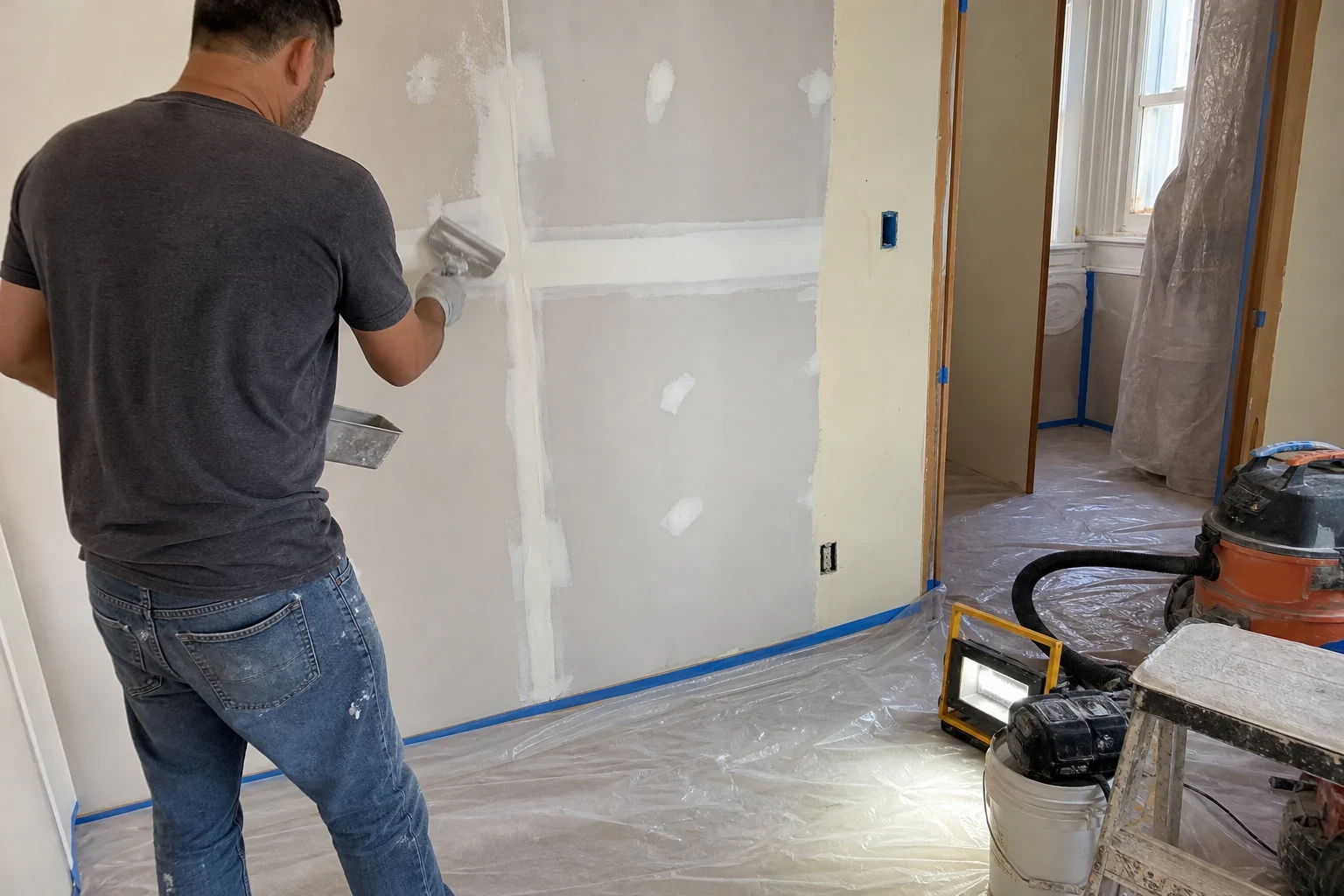
Drywall Repair
Holes, cracks, water-stained board and popped screws cut out, rebuilt and blended into the wall around them, with each step documented for you.
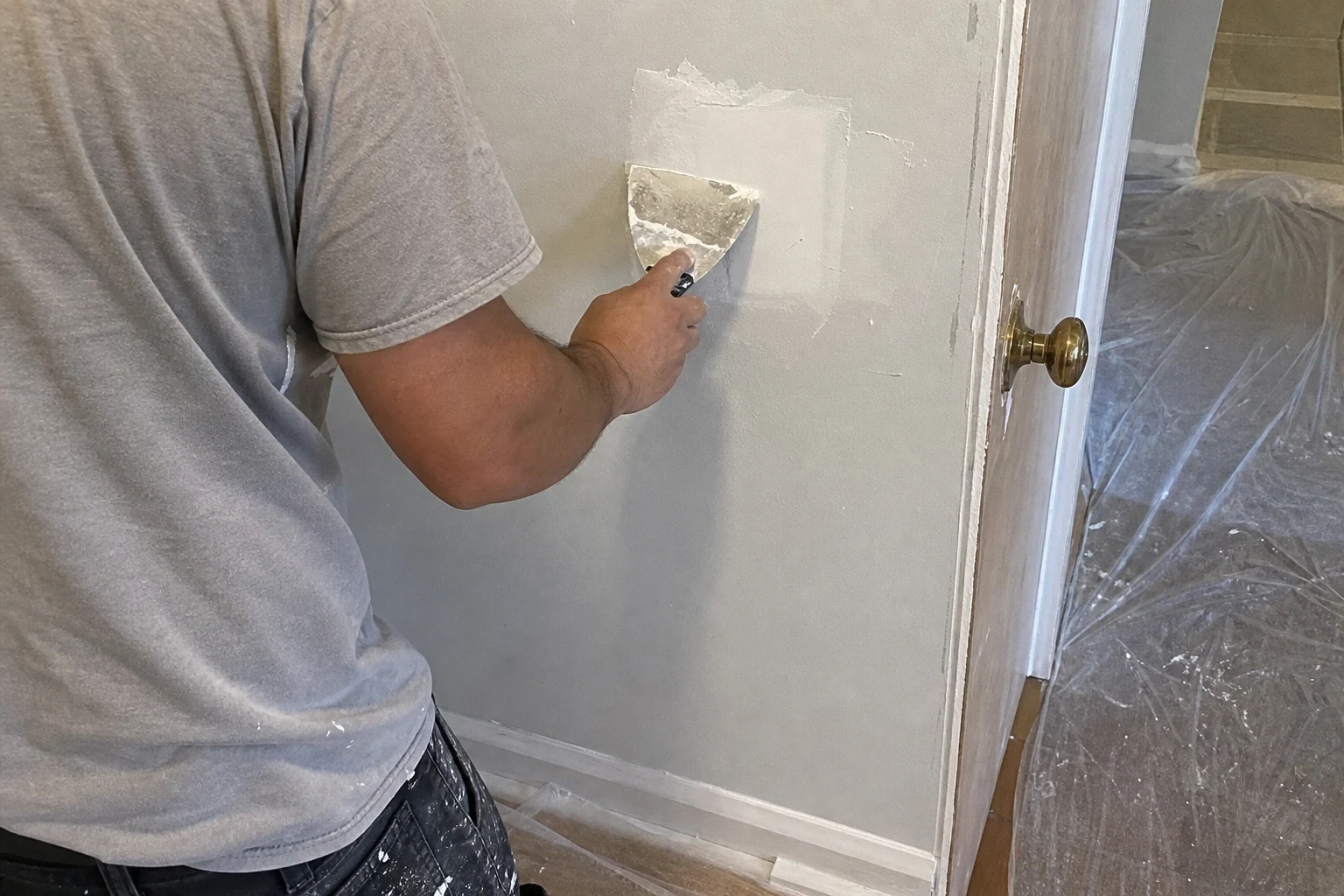
Drywall Patching
Small and mid-size holes cut clean, backed, taped, built up in thin coats and sanded flat, and you see each stage before it gets covered.
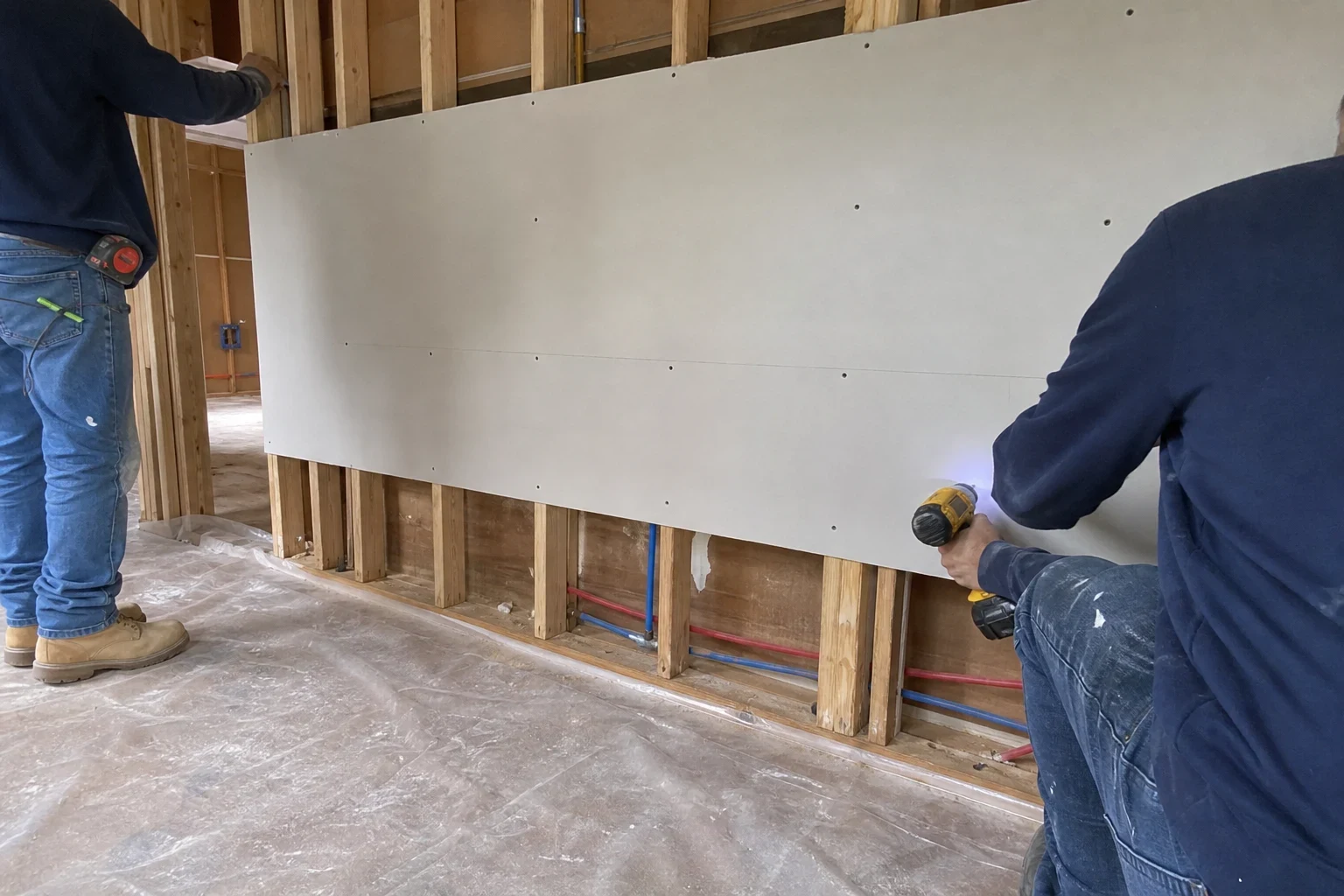
Drywall Hanging
New drywall hung on walls and ceilings with the right board for each room, tight seams and screws set at the right depth, with pictures taken before anything gets covered.
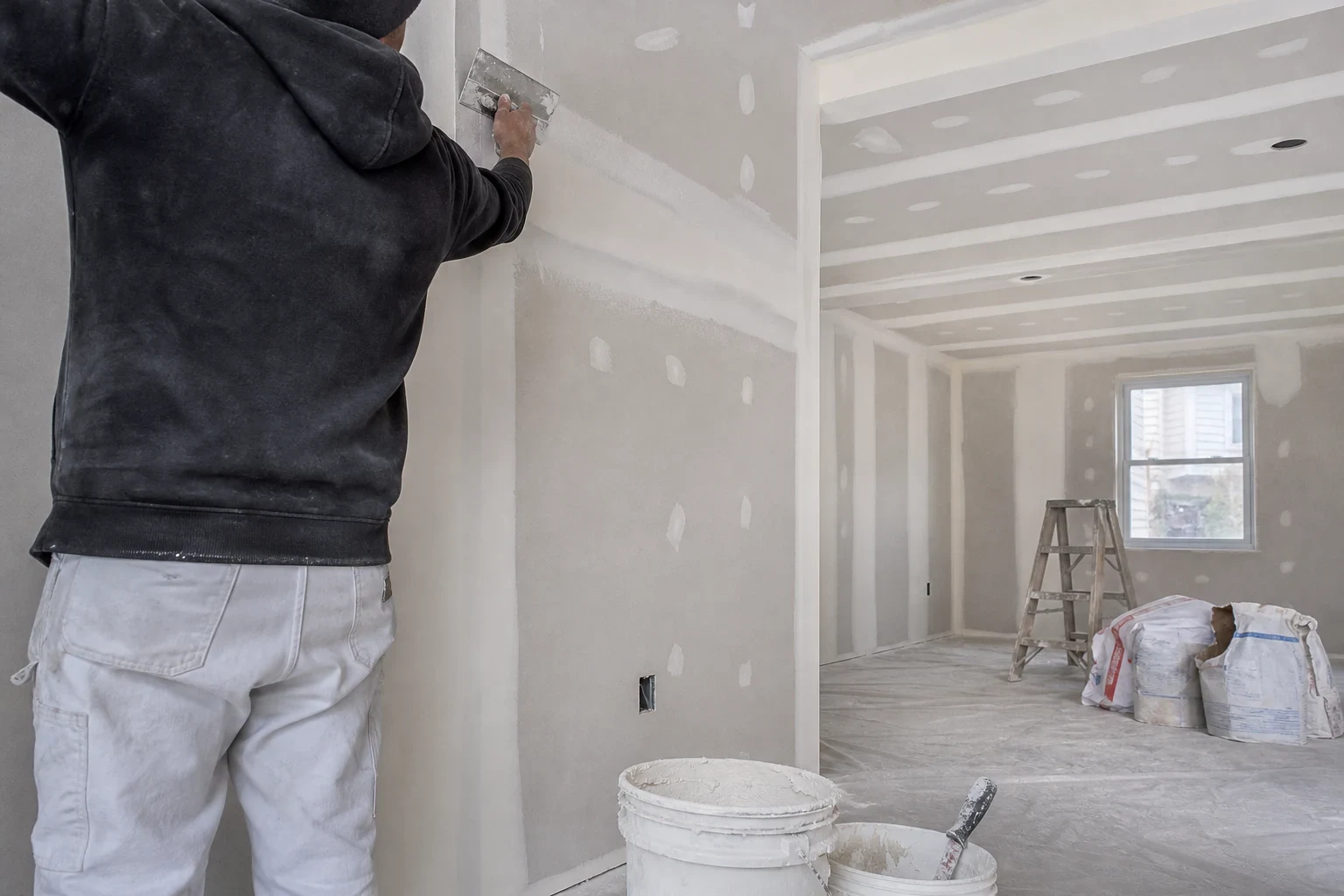
Drywall Finishing
Taping, corner bead, three coats of compound and careful sanding so new or repaired drywall is smooth and ready for primer.
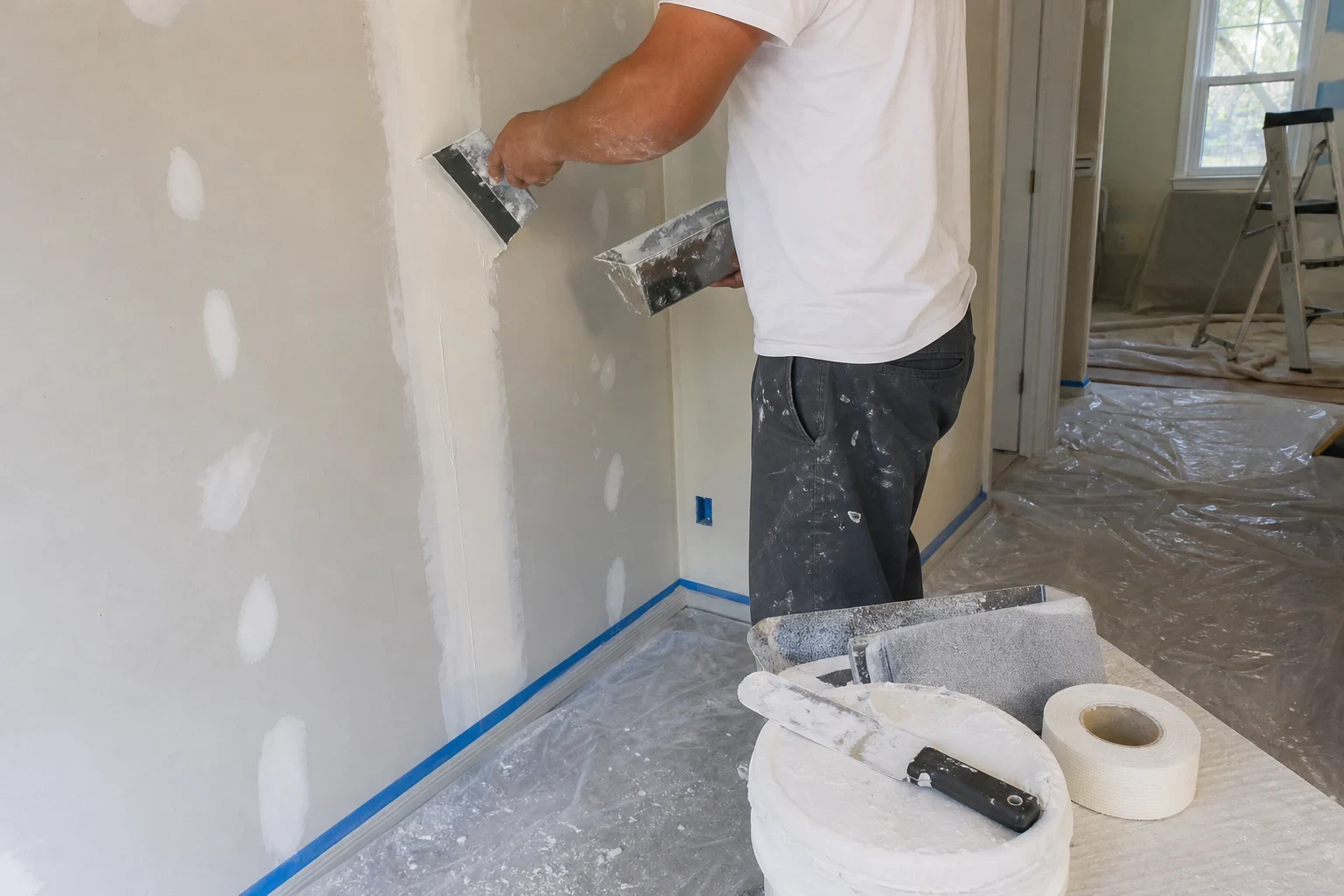
Wall Repair
Repairs for cracked, dented, bubbled or loose walls in drywall and older plaster, with every step documented so you can see what we found and fixed.
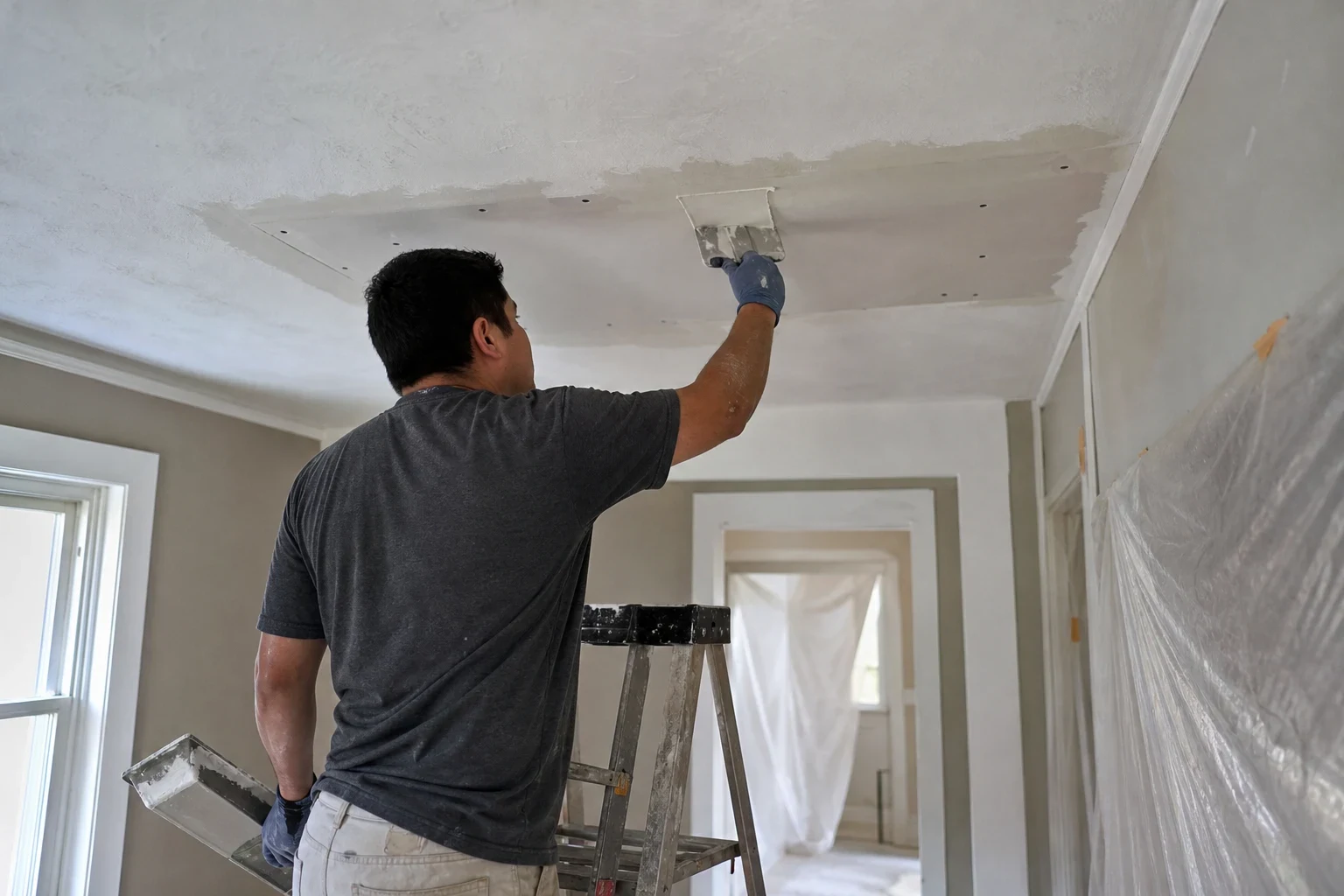
Ceiling Repair
We fix cracked, stained and sagging ceilings, match the texture, and send you photos of the damage, the repair and the finished surface.
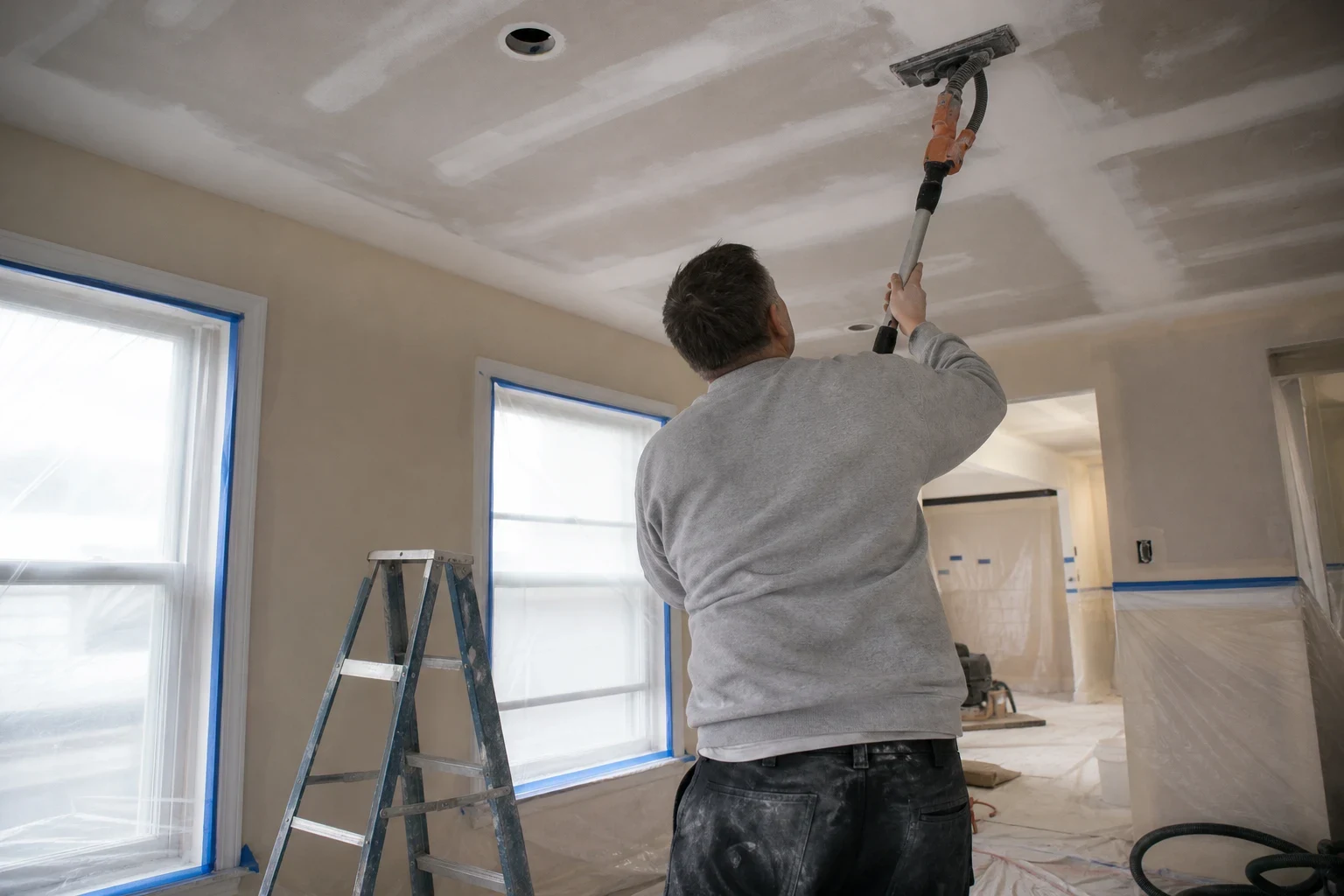
Surface Prep and Sanding
We fill dents, knock down ridges and sand walls and ceilings smooth, and you get a before-and-after record so you know what is under the paint.
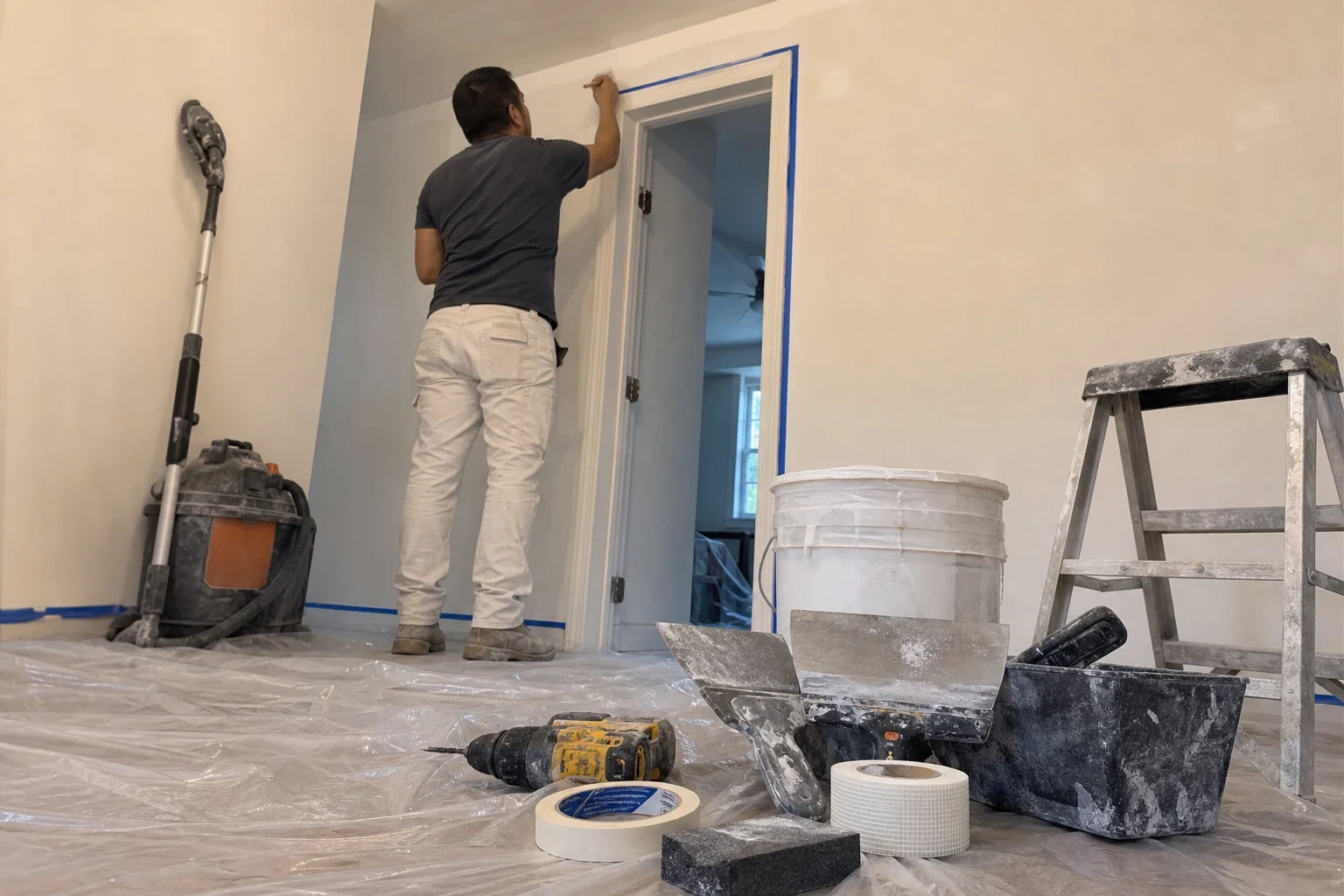
Paint Touch-Ups
We prime and paint over fresh patches and small scuffs so the repair disappears into the wall, and we photograph each step so you see what was done.
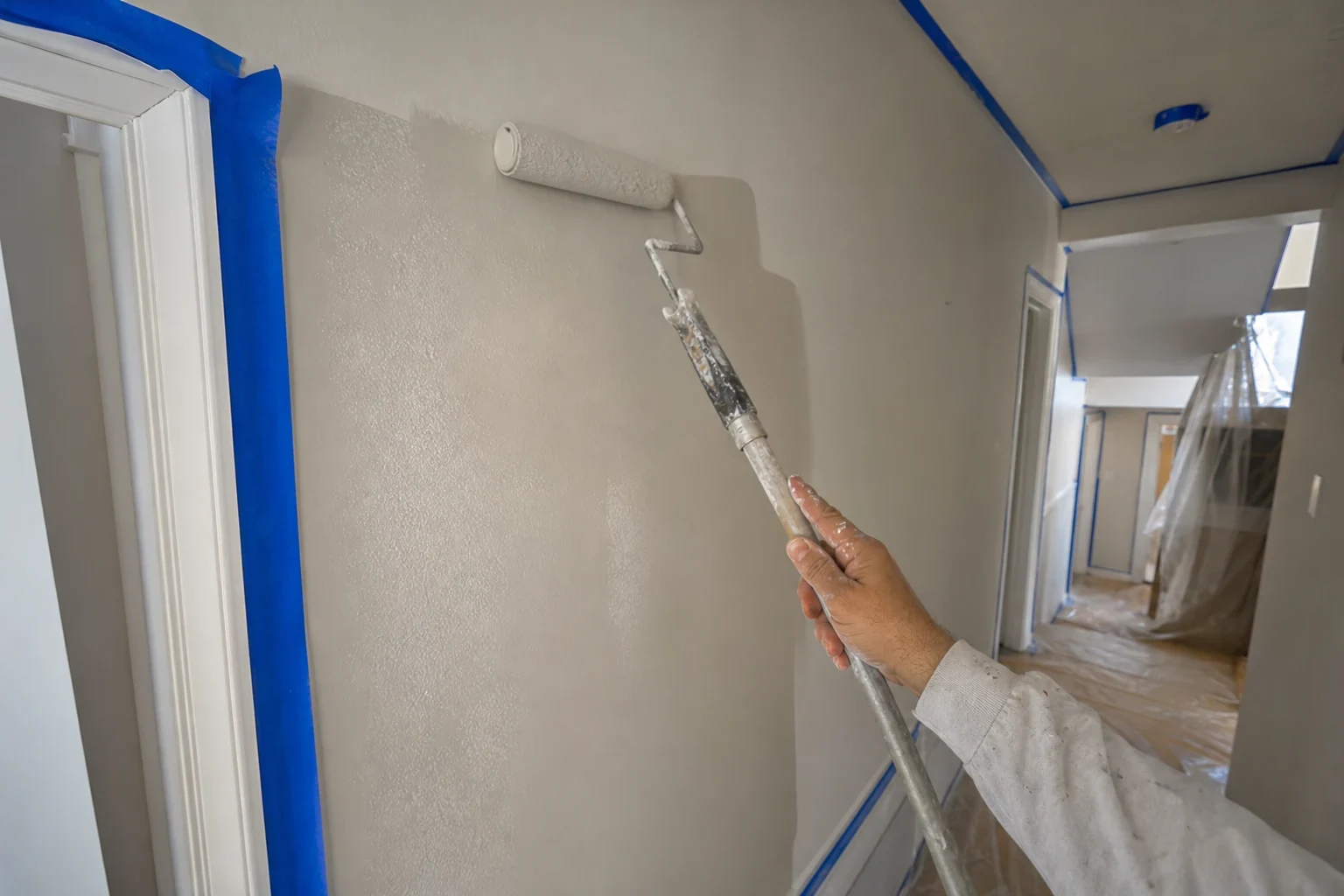
Paint-Ready Walls
We repair, sand and prime damaged drywall and blend paint touch-ups over the fixes, so dents, seams and patches stop showing through.
How a Job Runs
Here is what to expect from the first call to the last coat.
- 1
Phone call
You tell us what happened and where. Pictures you already have help. We give you a rough idea of the work and set a time to come out if it is needed.
- 2
Look and record
We check the damage, tap and probe for soft spots, and take pictures. You get a clear scope of what we will fix.
- 3
Prep and repair
Floors and furniture get covered. We cut out bad drywall, fix what is behind it, hang new board, then tape and mud. The open wall gets recorded before anything is closed in.
- 4
Finish and blend
Coats of compound, sanding between each, and texture matching. If you have the leftover paint, we can do a paint touch-up over the repaired area.
- 5
Walkthrough and cleanup
We clean up, walk the job with you and send the full set of photos so you have a record of the work.
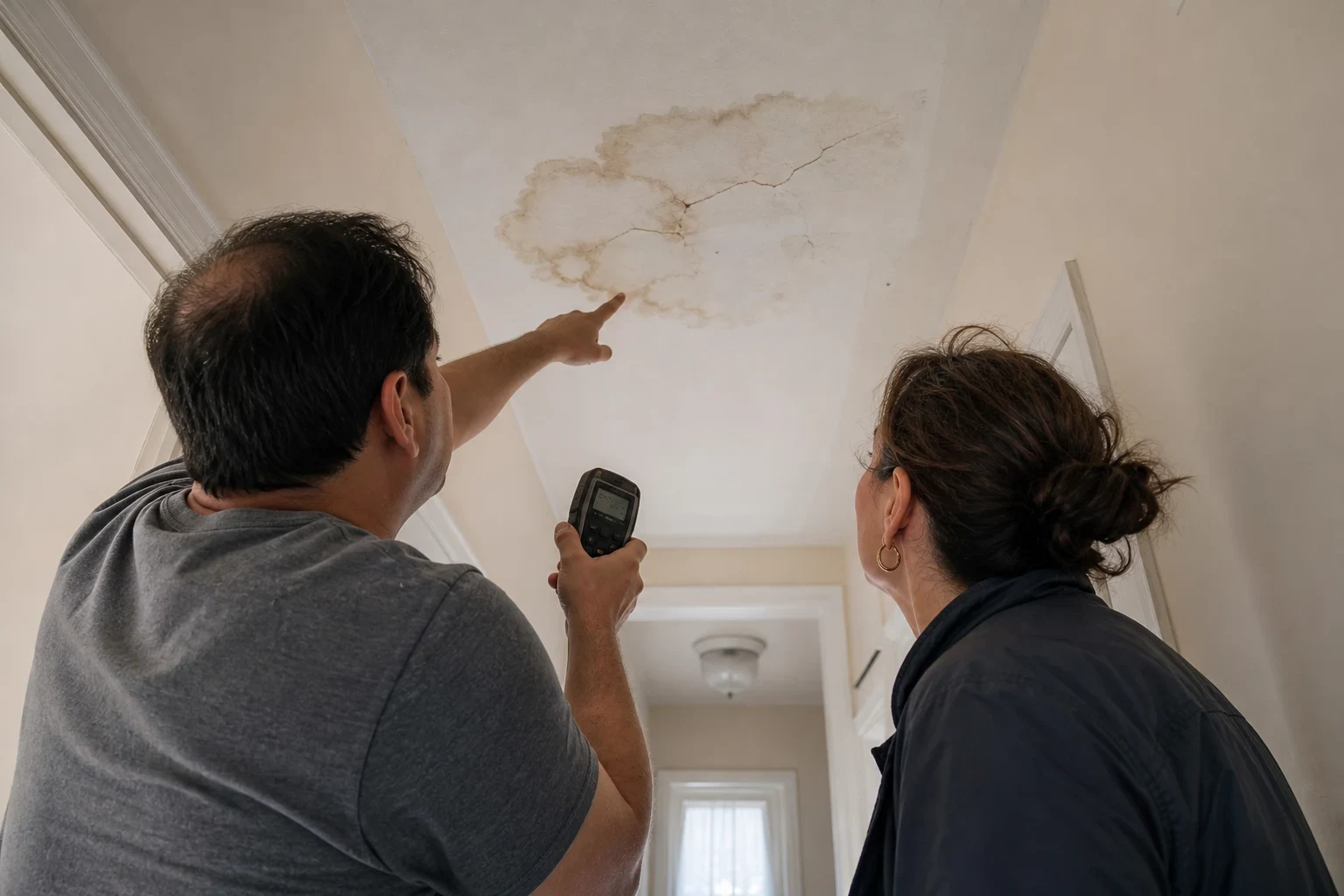
How We Work in Your Home
Drywall damage often looks smaller from the front than it is behind the surface. So we show you, and we keep the job simple to follow.
- 01
You see what we see
When we open a wall or ceiling, we take photos of what is in there: wet insulation, a cracked stud, old patches that failed. You get the before, the middle and the finished wall. Landlords and property managers can keep them for their records.
- 02
An honest repair-or-replace answer
A small hole gets a patch. A ceiling panel that is soft and sagging gets cut out and replaced. We tell you which one you have and why, and the pictures back it up.
- 03
Texture that matches
Smooth walls, light orange peel, knockdown and swirl ceilings all take different tools and mud mixes. We test on a scrap or a hidden spot first so the repair does not stand out once it is painted.
- 04
Dust kept where it belongs
We lay drop cloths, cover furniture and tape plastic over doorways when we sand. Each day ends with the work area swept and vacuumed.
- 05
No surprise line items
If we find something new after opening a wall, we stop, show you what we found and explain what it changes before we go on.
Where We Work
Irvington, NJ is home base, and most of our jobs are in houses and apartments around the city. We also work regularly in Hillside, Newark, Elizabeth, East Orange, Union, West Orange, Orange, Maplewood, Cranford and Roselle, so a short drive over is no trouble for us.
- Irvington
- Hillside
- Newark
- Elizabeth
- East Orange
- Union
- West Orange
- Orange
- Maplewood
- Cranford
- Roselle
Live a bit farther out? Mention your town on the call and we will give you a straight yes or no on whether we can get there.
What Changes the Cost
Every wall hides something different. We set the price from what your repair actually calls for, not a flat rate. Here is what pushes it up or down, which also helps when you line up quotes from other contractors.
Tell us what you are seeing when you call and we can usually give you a rough idea by phone. For bigger or hidden damage, we look in person and then give you a written scope before any work starts.
- Size and number of repairs
- A single doorknob hole takes little time and little material. Patches spread through several rooms, or whole sheets of board that need replacing, mean more compound, more coats and more hours on site.
- What is behind the surface
- Wet insulation, a damaged stud or mold on the back of the board all have to be handled before new drywall goes up. We will not know for certain until it is open, which is why we stop and show you before going further.
- Ceilings and height
- Ceiling repair is slower than wall work. Stairwells and tall ceilings need ladders or staging, and that adds time.
- Texture and finish level
- A smooth wall under bright window light needs more skim coats and sanding than a textured wall in a closet. Matching an older texture can take a few tries.
- Drying time and visits
- Joint compound needs to dry between coats. Most repairs take more than one trip, and humid summer weeks can stretch drying time.
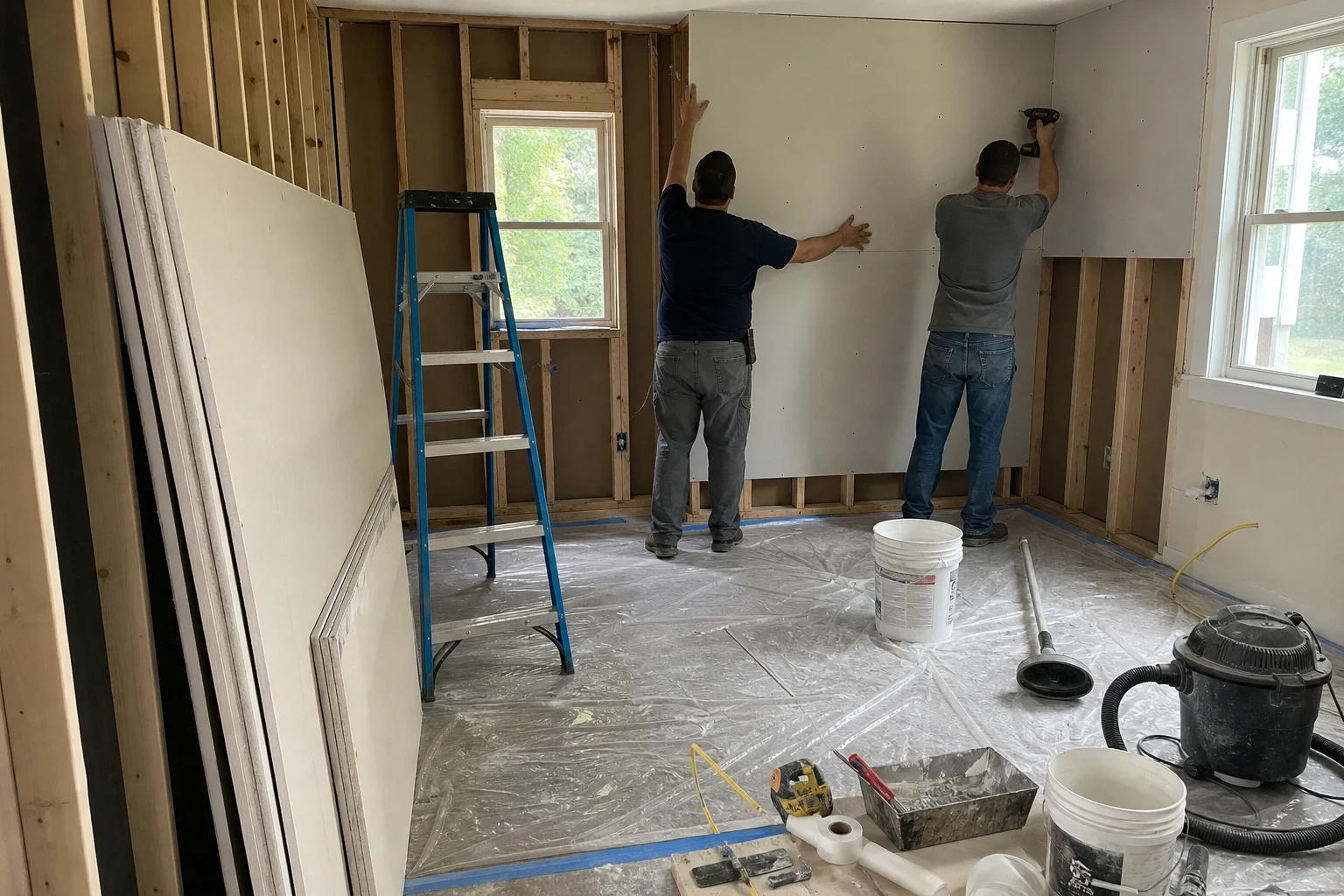
About Drywall Repair Irvington
We are a drywall company. We patch, hang, tape, finish and sand, and we fix ceilings. That is the work, and we keep our focus there.
Many homes and two-family houses around here are older, with a mix of drywall and plaster, past patches and some settling. That is why we document as we go. You should not have to take a contractor's word for what was behind the wall. You can look for yourself.
Common Questions
Can you make the patch disappear?
On most walls, yes, once it is primed and painted. Most of it comes down to spreading the compound well past the edges of the repair, sanding it level with the wall around it and copying the existing texture. Very glossy paint or strong side light from a window can show small differences, and we will tell you that up front if it applies to your wall.
I had a leak and now the ceiling is stained. Can you fix it?
Yes, once the source of the leak has been fixed by the right trade. We check whether the drywall is still sound or has gone soft. A stain on firm board can be sealed and touched up. Soft or sagging board gets cut out and replaced, and you see what we find above it.
Will your pictures help with an insurance claim?
They often do, because they show the damage, what was behind it and what we replaced. We are not the adjuster and cannot say what your policy covers. We can explain what we found and hand over the photos and our written scope for you to share.
How long will it take?
A few small patches can be done over two short visits because the compound has to dry between coats. Bigger jobs with new drywall, taping and texture take several days. We give you a realistic timeline once we see the damage.
How much mess should I expect?
Some, mostly fine dust from sanding. Before we start, drop cloths go down, furniture gets covered and plastic sheeting goes up over doorways. We vacuum as we go and leave the work area clean at the end of each day.
I manage rentals. Can you work with tenants in place?
Yes. We work around tenants, keep the work area tidy and safe, and send you pictures of the damage and the finished repair so you have a record without needing to be on site.
Do you paint over the repair?
We do paint touch-ups on the areas we repaired. If you have the original paint, that gives the best match. If not, we can talk through options on the call.
Have a Hole, Crack or Stain to Fix?
Give us a quick rundown of the damage and which room it is in. We will explain what the fix probably involves and what comes next.